
Screens dominate school days now, with tablets replacing textbooks and video calls standing in for recess chats. This shift has sparked a quiet epidemic of eye issues among children, from gritty dryness to blurred distance vision. As an eye care professional who’s treated countless young patients post-pandemic, I’ve witnessed how unchecked gadget use erodes developing eyes. Understanding these risks equips parents and educators to intervene early, preserving clear sight for learning and play.
The Surge in Screen-Related Eye Problems
Remote learning amplified exposure, pushing daily screen time past 7 hours for many kids aged 8-12. Blue light scatters within the eye, triggering inflammation and disrupting sleep cycles tied to tear production. Symptoms creep in: headaches after homework, rubbing eyes mid-Zoom, or squinting at blackboards.
Studies link this to myopia progression, where eyes elongate abnormally, making far objects fuzzy. Without breaks, corneas dry out, fostering infections. Parents notice grades slipping alongside vision woes, a double hit to development.
How Pandemic Habits Fueled the Rise
Locked-down routines meant constant close-up focus, straining accommodative muscles. Dim rooms worsened glare, accelerating fatigue. Detailed reports, such as those on eye damage in school-age children from gadgets during the pandemic, track this spike, urging habit resets.
Key Symptoms Parents Should Watch For
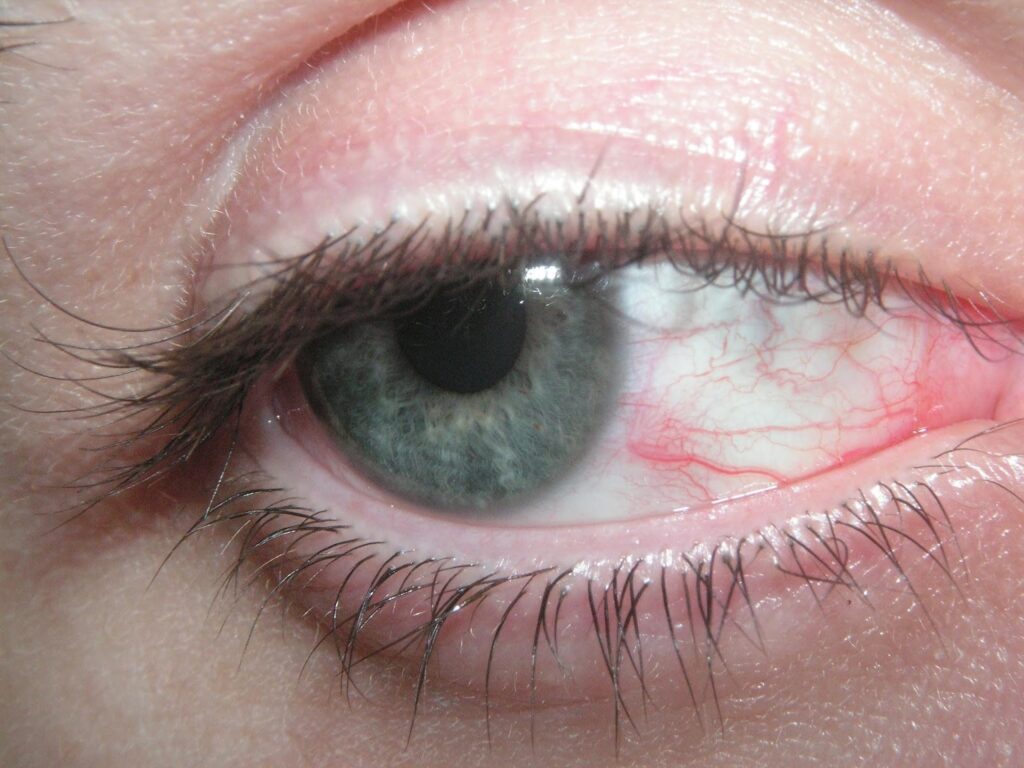
Red, itchy eyes signal dry eye syndrome, where infrequent blinks halve tear renewal. Blurry vision flips between near screens and distant views, hinting at convergence insufficiency. Kids might skip outdoor play, complaining of light sensitivity indoors.
Neck pain or forward-head posture compounds issues, as poor ergonomics pinch ocular nerves. Track patterns: worse after gaming marathons? Early flags prevent chronic shifts like permanent nearsightedness.
Distinguishing Strain from Serious Damage
Temporary blur fades with rest, but persistent halos or floaters demand checks. Color desaturation points to retinal stress from blue light. Annual pediatric optometry visits differentiate, catching subtleties adults overlook.
Proven Strategies to Ease Digital Strain
Enforce the 20-20-20 rule: every 20 minutes, gaze 20 feet away for 20 seconds. Blue light filters on devices cut exposure without dimming learning tools. Position screens at arm’s length, slightly below eye level, mimicking natural angles.
Encourage outdoor time—two hours daily slows myopia by 50%, per research. Lubricating drops hydrate during long sessions, while full-spectrum lighting reduces contrast fatigue. These tweaks restore balance swiftly.
Leading institutions showcase recovery tales; a compelling account from Duke Health details surgery restoring vision after a detached retina, reminding us prevention trumps repair. Resources like Eye Surgery Today delve into pediatric safeguards, blending tips with specialist insights.
Tech Tools and Apps That Help
Apps like Eye Care 20 20 20 buzz reminders, gamifying breaks for kids. Night-shift modes auto-warm screens post-sunset. Wearable trackers log exposure, prompting parental nudges without nagging.
When to Seek Professional Eye Care
Schedule exams if symptoms linger beyond a week of habit changes. Pediatric ophthalmologists measure axial length for myopia risk, prescribing atropine drops or orthokeratology lenses that reshape corneas overnight. Vision therapy strengthens eye teaming for better focus shifts.
Severe cases involve patching or prism glasses to realign gazes. Post-exam, monitor progress quarterly. Intervening before age 10 yields best outcomes, halting progression in its tracks.
Role of Nutrition and Sleep
Omega-3s from fish curb inflammation; leafy greens supply lutein shields. Consistent 10-hour sleep rebuilds tears and repairs retinal cells. Ditch caffeine-fueled all-nighters—nature’s rhythm protects best.
Building Healthy Screen Habits Long-Term
Set family media plans capping recreational use at two hours daily. Alternate activities: reading physical books flexes eyes differently. Schools integrating vision breaks model sustainability, easing home enforcement.
Empower kids with ownership—let them design break zones with fidget toys. Track improvements together, celebrating milestones like “no-headache weeks.” These bonds foster lifelong vigilance.
Future Trends in Child Eye Health
AI-driven glasses auto-tint against blue light, while contact lenses release moisture gradually. Virtual reality therapies train focus without strain. Research accelerates, targeting gene therapies for high-risk families.
Voices from the Clinic
Ten-year-old Mia endured constant blur from tablet overload; drops and breaks sharpened her world in months. A tween gamer dodged myopia escalation via ortho-K, returning to soccer clear-eyed. These turnarounds highlight timely action’s power.
Parents share relief: “Homework battles ended; joy returned.” Patterns emerge—consistent routines yield resilient eyes.
Conclusion
Digital demands challenge young eyes, yet awareness and simple shifts—like breaks, nutrition, and checkups—counter the toll effectively. From pandemic-driven surges to proactive defenses, safeguarding vision nurtures brighter futures. Prioritize these steps today, and watch children’s worlds stay vividly in focus.